● Now booking inspections ahead of Minnesota freezing season — fall slots fill fastest.
Monday-Friday, 6:00 AM-5:00 PM (612) 512-8600

(612) 512-8600
★★★★★Add your live Google rating · Minnesota homeowners
Find out what is actually wrong with your chimney
Leaks, damaged masonry, odors and draft problems all have several possible causes. A proper inspection tells you which one you are dealing with — before you spend a dollar on repairs.
Written findings you can actually act on
CSIA-certified, credential-verified technicians
No pressure to commit to repairs on the spot

Serving Minnesota since 1999

CSIA Certified
Certification #11692, documented

Licensed Roofer
Roofing Contractor #RR 806746

HeatShield® Certified
Trained in certified liner restoration
— What Homeowners Say
Homeowners call us when something
does not look right
We were very pleased with Top Hat Roofing. They did a great job replacing our roof after hail damage, and they arranged subcontractors to replace rain gutters and repair other hail damage. Matt was on top of all aspects of the repairs, always keeping me informed and setting expectations. Overall, we couldn’t be happier than our experience with this company. Highly recommended!

Elijah came out to inspect our chimney and possibly clean it. He was absolutely top notch! He was so polite and professional. I asked if I could be a part of the inspection so I could know what I’m dealing with as this chimney is over 100 years old. He showed me everything and taught me so much. He was very honest and let me know it doesn’t need a cleaning, but he would get me an estimate for a flu and cap. He gets a 10 star rating from me!! He’s drawing up an estimate, so at this point I can’t speak into the work yet, but I have no doubt it will be quality.

Been using them for years. Recd text w photo that he was on his way, on time, thorough, clean, knowledgeable. Detailed inspection report w pics. Offered us additional recommendations and services. No hard sell

— Services
Chimney services based on the condition of your system
Inspection, cleaning, maintenance and repair services for Minnesota homeowners. If you are unsure which service you need, start with an inspection request.
🔍
Chimney Inspections
Level 1, Level 2, Level 3, annual, real estate and insurance inspections of accessible chimney, fireplace and venting components.
🧹
Chimney Sweeping
Removal of soot, debris and creosote buildup where appropriate to support a cleaner, safer venting path.
🛠️
Chimney Repair
Repairs addressed after the system, property access and repair requirements have been properly evaluated.
💧
Leak & Flashing Repair
Investigation of water-entry points such as crowns, flashing, caps and deteriorated masonry before recommending repairs.
Tuckpointing & Masonry
Repair of damaged bricks and deteriorated mortar joints based on the location and extent of the damage.
🛡️
Chimney Waterproofing
Breathable, vapor-permeable sealants intended to reduce water intrusion while letting masonry release moisture.
🏠
Chimney Repair
Repairs addressed after the system, property access and repair requirements have been properly evaluated.
🔥
Fireplace & Damper Service
Investigation of water-entry points such as crowns, flashing, caps and deteriorated masonry before recommending repairs.
— Common Warning Signs
Not sure what is wrong with your chimney?
Chimney problems are rarely obvious from inside the home or from the ground. A stain near the fireplace may be connected to the crown, flashing, cap or masonry. An unusual odor may be related to moisture, creosote, debris, animals or airflow conditions.
Symptoms worth having evaluated
Water entering near the chimney or fireplace
Missing or deteriorated mortar
Rust around the damper or firebox
Weak or inconsistent fireplace draft
Visible soot or creosote buildup
Cracked, loose or flaking bricks
A cracked or weathered chimney crown
Smoke entering the room
Persistent smoky or musty odors
A missing, loose or damaged chimney cap
These symptoms do not confirm a particular chimney problem. A professional inspection can help identify the condition and determine whether cleaning, maintenance or repair may be appropriate.
What happens next
Three steps, with no pressure to commit to repairs before you understand the condition.
1
Send the request
Tell us what you are noticing, the property address and how to reach you.
2
On-site evaluation
Accessible chimney, fireplace and venting components are evaluated for visible concerns.
3
Findings and options
Tel You get a plain-language explanation of the condition and the appropriate next step.
— Our Work
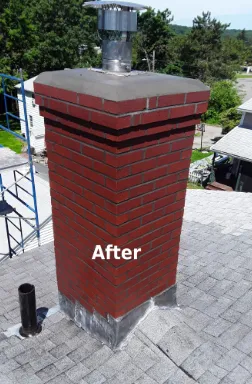
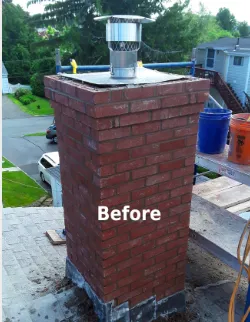
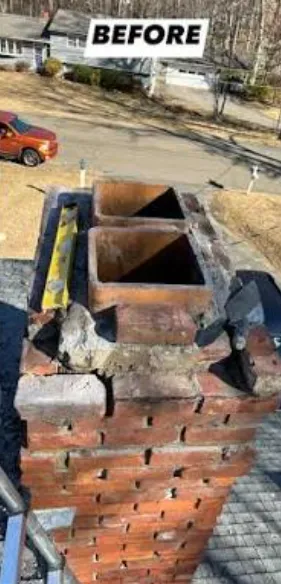
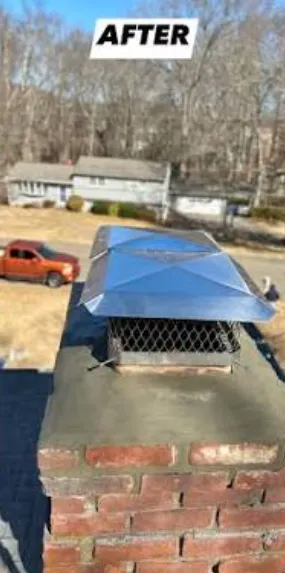
Before and after on real chimneys
Photos of completed work do more to sell a repair than any description. Drop your own job
photos into these four slots.
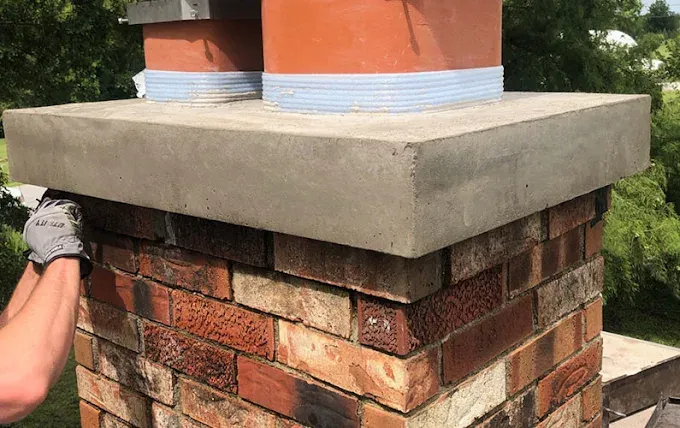
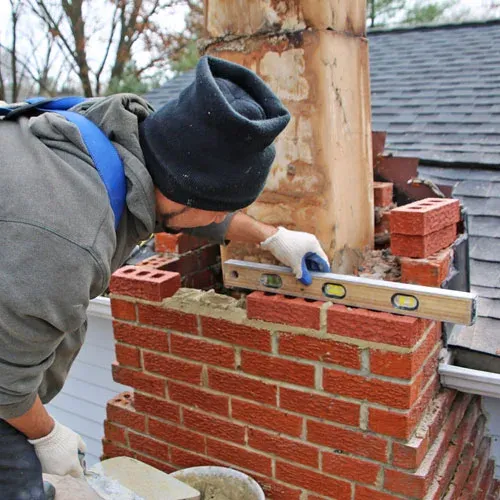
Crown rebuild (Before & After)
Swap in a real before/after photo
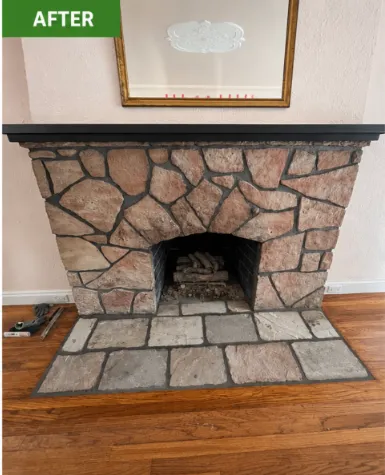
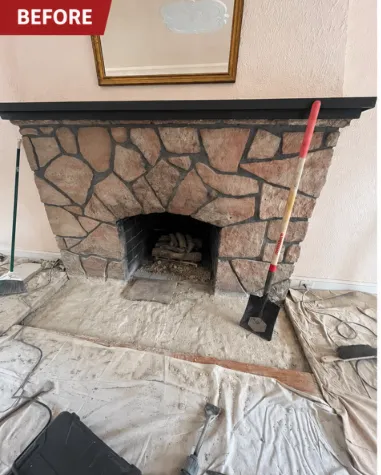
Tuckpointing & masonry
Swap in a real before/after photo
Stainless liner installation
Swap in a real before/after photo
— Straight Answers
The questions homeowners actually ask
How much does an inspection cost?
Pricing depends on the level of inspection and what the chimney needs. We confirm exact pricing before anything is scheduled — the inspection is what lets us give you an accurate estimate instead of a guess.
How often should my chimney be inspected?
NFPA 211 recommends at least once a year, even if the fireplace is rarely used. Chimneys are exposed to weather year-round, so moisture damage, animal nests and settling can occur without a single fire being lit.
What is the difference between a Level 1 and Level 2 inspection?
Level 1 is a visual check of all readily accessible parts of the chimney. Level 2 adds a video camera scan of the entire flue and is the one required when selling a home, after a chimney fire, or when changing appliances or fuel types.
Will the inspection make a mess in my house?
No. Technicians lay drop cloths and seal the firebox opening, and sweeping is done with HEPA-filtered vacuums built to contain fine soot. Level 3 inspections that require removing masonry are the exception, and we discuss those with you in advance.
Do I need an inspection before selling my home?
Most buyers, agents and lenders ask for a Level 2 inspection, which includes the camera scan of the flue and documents the chimney's condition for the file.
How far out are you booking?
It varies by season — fall is the busiest stretch as heating season starts, and summer is the easiest time to get on the schedule. Call or send a request and we will check current availability.
— Next Step
Stop guessing. Get it properly inspected.
Request an inspection and get a documented, plain-language explanation of your chimney's condition before deciding on any repair.
📞(612) 512-8600
🕒Monday-Friday, 6:00 AM-5:00 PM
📍4417 N Lyndale Ave Minneapolis Minnesota 55412 USA